
As a site superintendent, you're the maestro of the job site, orchestrating every detail to ensure projects run smoothly and efficiently. A crucial, yet often overlooked, aspect of your role is aggregate procurement. Sourcing the right materials, on time, and within budget can significantly impact project success. This guide provides you with the essential knowledge to navigate the world of aggregate procurement like a seasoned pro.
Understanding Your Aggregate Needs
The first step in successful procurement is a clear understanding of your project's requirements. Consider these factors:
Material Specifications: Different applications require different types of aggregates. For example, concrete typically requires specific gradations of gravel and sand, while road base may call for crushed stone with particular compaction characteristics. Consult your project's engineering specifications to determine the precise requirements.
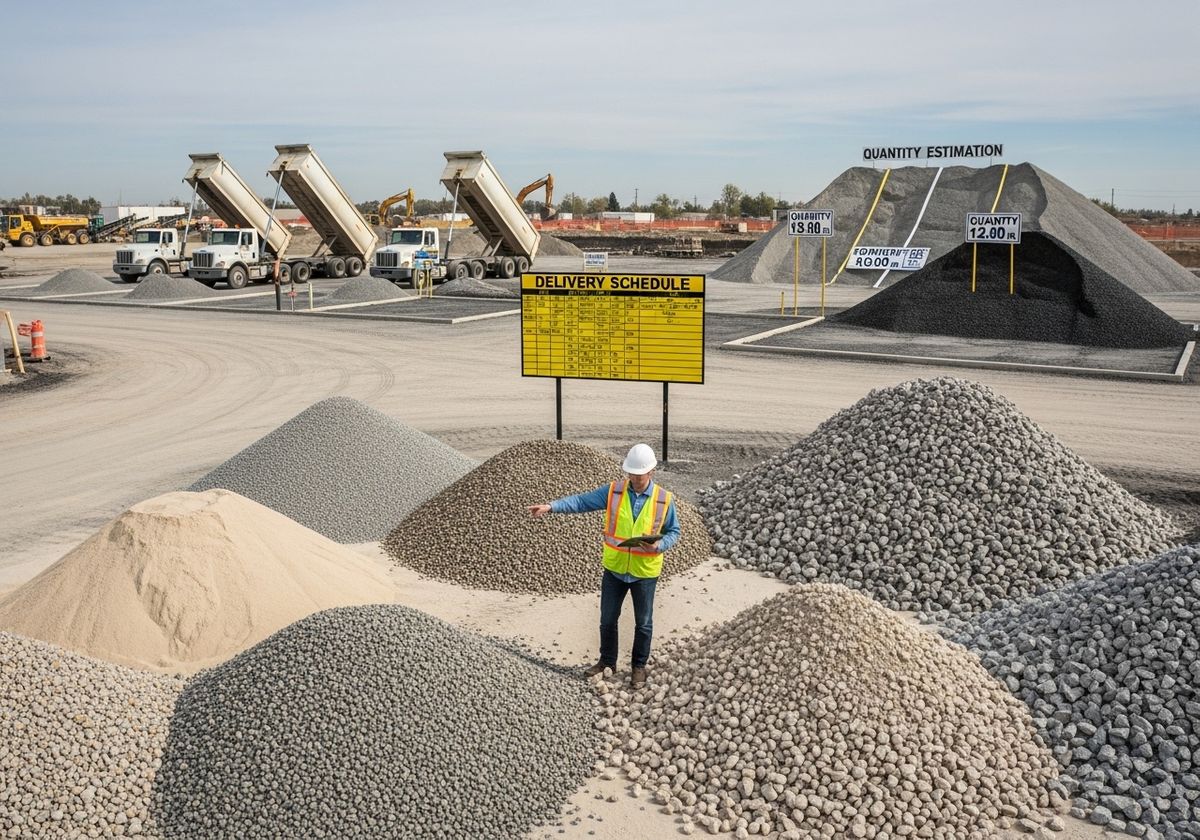
Quantity Estimation: Accurate quantity estimation is crucial to avoid material shortages or overstocking. Review blueprints, consult with engineers, and factor in potential waste to arrive at a reliable estimate.
Delivery Schedule: Align your delivery schedule with the project timeline. Consider lead times for material sourcing, processing, and transportation. Communicate your needs clearly to your local aggregate supplier to ensure timely deliveries.
Finding a Reliable Local Aggregate Supplier
Choosing the right supplier is paramount. Here's what to look for:
Product Quality: Ensure the supplier can provide aggregates that meet your project's specifications. Ask for testing data and certifications to verify material quality.
Production Capacity: The supplier should have the capacity to meet your project's volume requirements without delays.
Logistics Capabilities: A supplier with efficient logistics can ensure timely and cost-effective delivery to your job site. Consider their proximity to your site, transportation methods (truck, rail, or water), and delivery scheduling options.
Pricing and Payment Terms: Obtain competitive quotes from multiple suppliers and carefully review payment terms. Factor in transportation costs, taxes, and any potential surcharges.
Reputation and Experience: Check the supplier's reputation and experience in the industry. Ask for references and consider their track record of delivering quality materials on time and within budget.

Best Practices for Aggregate Management
Once you've selected a supplier and scheduled deliveries, implement these best practices for efficient aggregate management:
Proper Storage: Store aggregates in a designated area that prevents contamination and segregation of materials. Use appropriate ground cover to avoid mixing with soil.
Quality Control: Conduct regular inspections of incoming materials to ensure they meet specifications. Reject any loads that are substandard or contaminated.
Inventory Management: Keep accurate records of material usage and inventory levels to avoid shortages or overstocking. Implement a system for tracking deliveries and managing stock rotation.
Communication: Maintain open communication with your supplier to address any issues or concerns promptly. Provide timely feedback on material quality and delivery performance.
Effectively managing aggregate procurement is essential for site superintendents aiming to deliver successful infrastructure projects. By understanding your needs, choosing the right local aggregate supplier, and implementing best practices for material management, you can ensure your projects stay on track, within budget, and built to last. At Dirt Rocks, founded in 2017 and powered by experienced professionals, we understand the complexities of aggregate supply and logistics. Our value proposition, "Dirt Rocks is the materials and logistics partner built to stay clear when projects get complex," ensures that projects across the U.S. receive the materials they need, exactly when they need them, and that we are always ON TIME EVERY TIME! Contact us today to learn more about how we can support your next project. Learn about how Dirt Rocks handles sourcing, testing, storage, and delivery of rock and gravel for sale via rail, road, and water.