
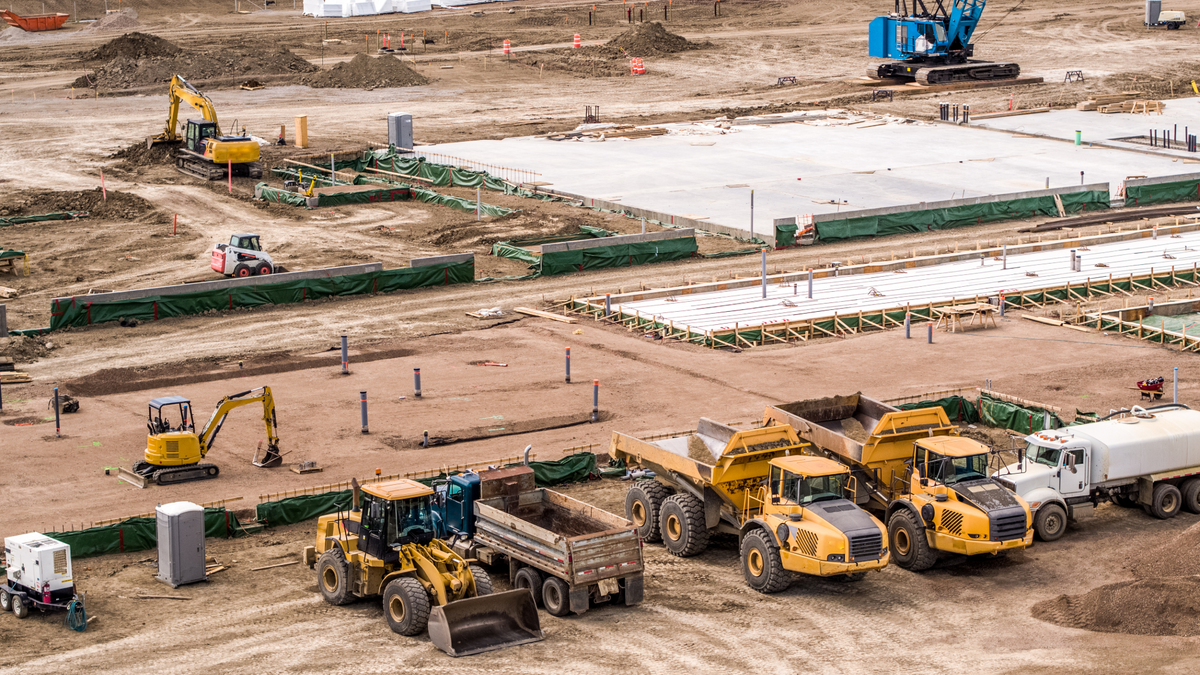
Aggregate delivery impacts more than material placement. Proper preparation ensures a smooth, efficient process, saving you time and potential headaches. Here's a comprehensive guide to help you get your site ready for aggregate delivery services.
Assess and Plan Your Delivery Site
Before scheduling delivery, a few field-level checks make the difference between a smooth drop and a stalled site.
Verify Access for Heavy Trucks: Delivery access should be evaluated from the perspective of a loaded haul truck, not a pickup.
Confirm:
clear ingress and egress routes
adequate turning radius for tri-axle or tractor-trailer configurations
no parked equipment, temporary fencing, or staged materials blocking access
If access is constrained, identify it early so delivery sequencing or truck configuration can be adjusted.
Check Vertical and Horizontal Clearance: Check for overhead and lateral obstructions as they are common causes for delayed or aborted drops.
Review:
overhead power lines
temporary utility runs
tree limbs or structures near dump zones
gate clearances and choke points
Clearances should allow safe dumping without repositioning trucks mid-delivery.

Confirm Ground Conditions and Dump Stability: Loaded trucks require a stable ground to operate safely.
Before Delivery:
asses subgrade firmness
identify soft, saturated, or recently disturbed areas
reinforce dump zones if necessary
Unstable ground leads to stuck equipment, lost time, and unnecessary risk.
Define Delivery Location and Sequence: Mark locations visibly and ensure site contacts understand the plan. Ambiguity at the gate slows everything downstream.
Clearly Identify:exact dump locations
preferred delivery sequence
whether material is to be windrowed, stockpiled, or staged for immediate placement
Confirm the Quantity and Specification in Advance
Accurately estimating the amount of material you need is crucial to avoid over- or under-ordering. Verify volumes against actual site needs and placement plans, and ensure the specified aggregate matches the required grade, application, and compaction or drainage requirements. When quantities or specifications are misaligned, loads are more likely to be rejected, schedules are disrupted, and downstream work is impacted.
Communicate Clearly with Your Supplier
Open communication with your aggregate supplier is key. Provide them with detailed information about your site conditions, delivery location, and any specific instructions. Discuss any potential challenges or concerns beforehand to ensure a seamless delivery process. Confirm the delivery date and time, and provide a contact number for any last-minute coordination.

Prepare for Potential Traffic Disruptions
Delivery trucks can be large and may temporarily disrupt traffic flow. Notify your team in advance about the scheduled delivery to minimize inconvenience. Consider placing traffic cones or signs to alert pedestrians and drivers.
Post-Delivery Inspection
Once it has been delivered, inspect the load to ensure it matches your order in terms of quantity and type. Address any discrepancies immediately with your supplier.
Preparing your site for an aggregate delivery is essential for a successful project. By following these steps, you can streamline the process, minimize potential issues, and keep your project on track. At Dirt Rocks, we're committed to providing reliable aggregate delivery services that meet your specific needs. Our team is here to guide you through every step, ensuring a hassle-free experience. Contact us today to learn more about our construction material hauling and how we can help you with nationwide aggregate delivery. For reliable quarry delivery services and transparent, personalized support, reach out to Dirt Rocks – we're ON TIME EVERY TIME!