

As a materials manager, you understand the critical role that aggregate delivery plays in the success of any construction project. Ensuring a smooth, timely, and cost-effective supply of materials directly impacts project timelines, budgets, and overall quality. This guide provides a comprehensive overview of the key considerations for managing aggregate delivery, helping you optimize your processes and minimize potential disruptions.
Understanding Aggregate Types and Specifications
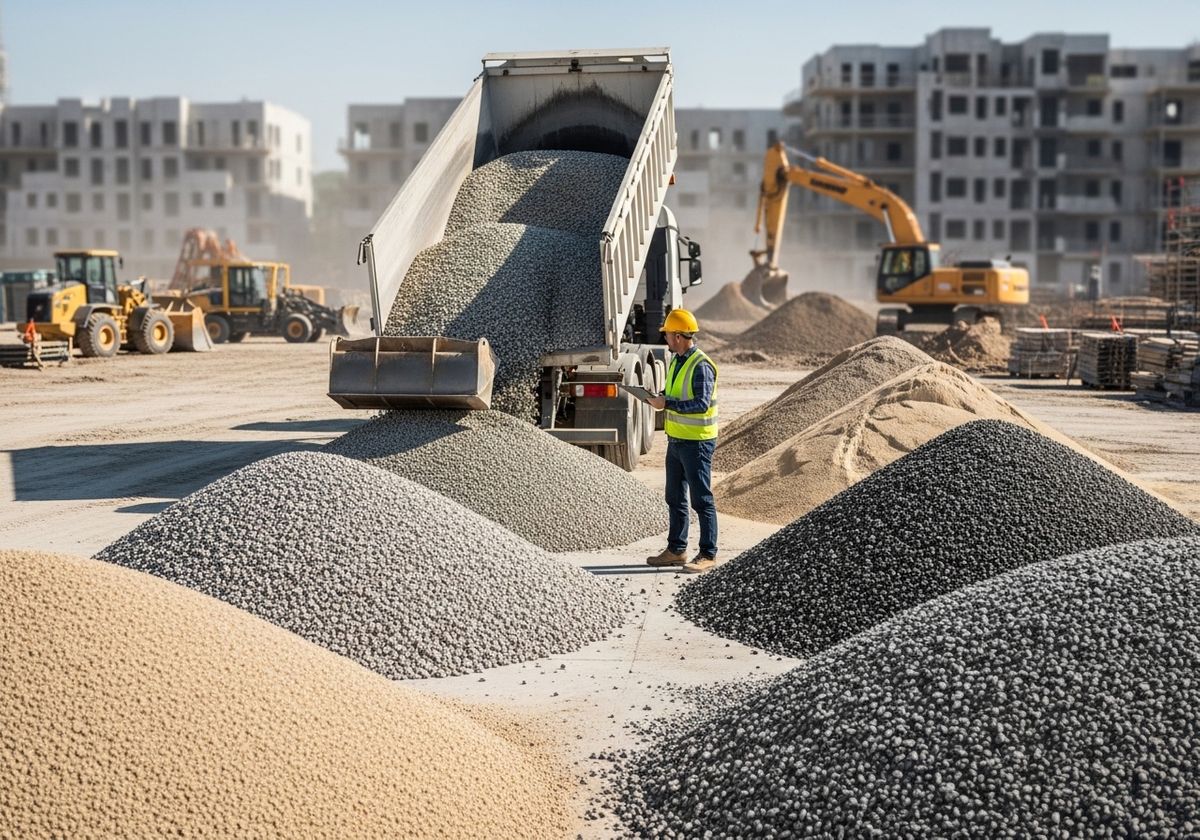
Before diving into logistics, it's crucial to have a firm grasp on the different types of aggregates available and their specific applications. Common aggregates include:
Gravel: Naturally occurring, unconsolidated rock fragments.
Crushed Stone: Produced by crushing quarried rock.
Sand: Fine granular material, typically composed of silica.
Slag: A byproduct of metallurgical processes.
Each aggregate type possesses unique properties that make it suitable for different construction purposes. For example, dense-graded aggregates are often used for road base construction, while open-graded aggregates are preferred for drainage applications. Understanding these distinctions and matching the right aggregate to the project requirements is paramount. Additionally, make sure you are working with a local aggregate supplier that you can depend on.

Planning and Scheduling
Effective planning is the cornerstone of successful aggregate delivery. This involves:
Accurate Quantity Estimation: Determine the precise amount of each aggregate needed for the project. Overestimating can lead to unnecessary costs, while underestimating can cause delays.
Delivery Scheduling: Establish a clear delivery schedule that aligns with the project timeline. Consider factors such as lead times, production capacity of the aggregate supplier, and potential transportation bottlenecks.
Site Preparation: Ensure the delivery site is accessible and adequately prepared to receive the aggregates. This may involve clearing obstructions, grading the surface, and establishing designated storage areas.
Transportation and Logistics
The transportation of aggregates involves several logistical considerations:
Mode of Transport: Choose the most appropriate mode of transport based on factors such as distance, volume, and cost. Options include trucks, rail, and barges.
Route Optimization: Plan the most efficient delivery routes to minimize transportation time and fuel consumption. Consider factors such as traffic congestion, road restrictions, and bridge weight limits.
Tracking and Communication: Implement a system for tracking deliveries and communicating with the aggregate supplier and on-site personnel. This enables proactive management of potential delays or disruptions.
Quality Control and Testing
Maintaining the quality of aggregates throughout the delivery process is essential. This involves:
Source Verification: Ensure the aggregates are sourced from reputable suppliers who adhere to industry standards.
Material Testing: Conduct regular testing to verify that the aggregates meet the specified requirements for gradation, strength, and other properties.
Proper Handling and Storage: Implement procedures for handling and storing aggregates to prevent contamination or degradation.
Cost Management
Managing costs is a critical aspect of aggregate delivery. Consider the following strategies:
Competitive Bidding: Obtain quotes from multiple local aggregate suppliers to ensure you are getting the best possible price for rock and gravel for sale.
Volume Discounts: Negotiate volume discounts with suppliers to reduce the unit cost of aggregates.
Transportation Optimization: Optimize transportation routes and modes to minimize fuel consumption and transportation costs.
Waste Reduction: Implement measures to minimize waste and spoilage of aggregates during handling and storage.
Conclusion
Effective management of aggregate delivery is vital for the success of any construction project. By understanding aggregate types, planning and scheduling deliveries meticulously, optimizing transportation logistics, implementing rigorous quality control measures, and actively managing costs, materials managers can ensure a smooth, timely, and cost-effective supply of these essential materials. Dirt Rocks, founded in 2017, provides comprehensive aggregate solutions, including sourcing, testing, and delivery via rail, road, and water. With our commitment to ON TIME EVERY TIME! delivery and bonded project management, we help you stay clear when projects get complex. Contact us today to learn more about how we can support your next infrastructure project or view our service offerings on our website.