
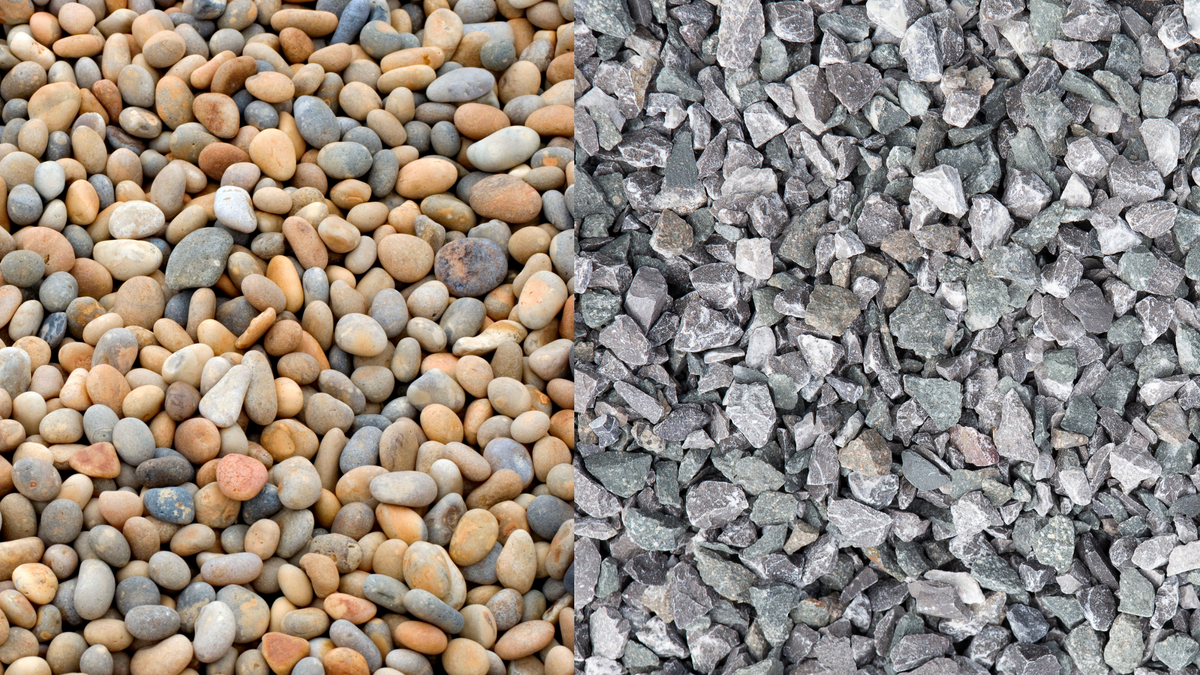
Choosing the right aggregate matters. Crushed stone and gravel are both widely used in construction and site work, but they behave differently once they’re placed and compacted
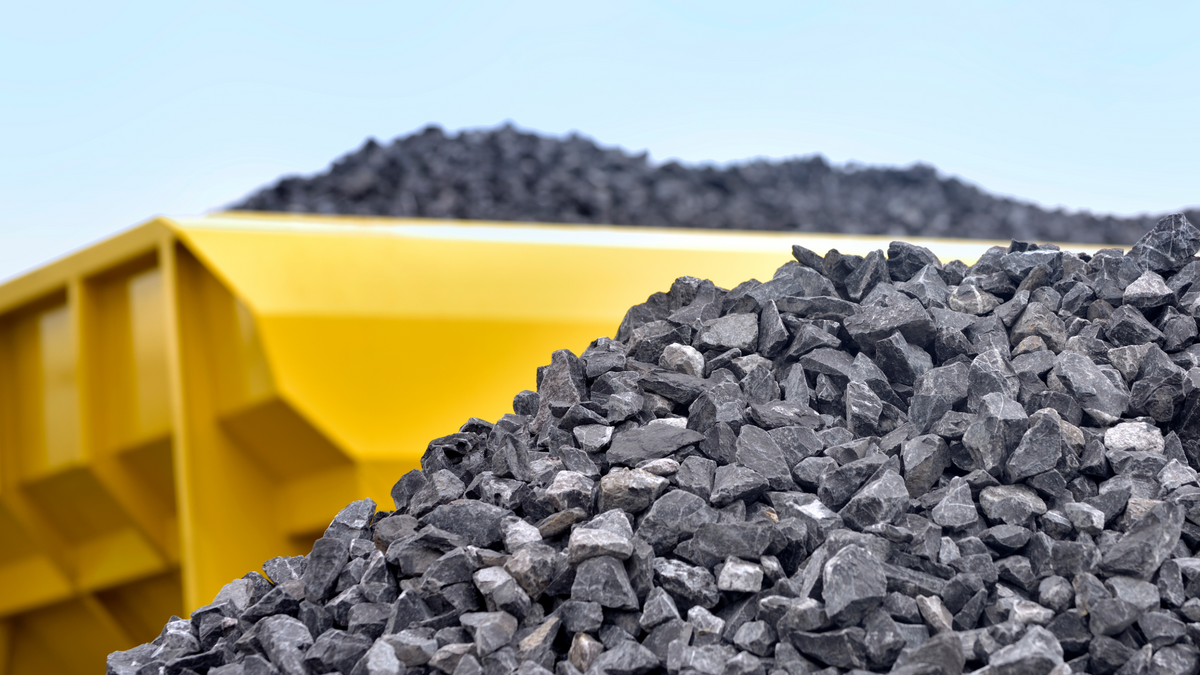
What is Crushed Stone?
Crushed stone is produced by mechanically crushing quarried rock into various sizes and shapes. The crushing process results in angular, sharp-edged pieces. This angularity is a crucial factor in its performance, especially in construction applications. Crushed stone is typically made from durable rock types like granite, limestone, or trap rock, ensuring it can withstand heavy loads and environmental stressors.
Because of this interlocking behavior, crushed stone is commonly used in:
Road base and sub base layers
Building foundations
Concrete and asphalt production
Drainage systems
Heavy construction projects
When a project requires maximum stability and load-bearing strength, crushed stone is usually the preferred material.
What is Gravel?
Gravel, on the other hand, is a naturally occurring material composed of rounded or semi-rounded rock fragments. It is formed through the natural weathering and erosion of rocks over time, typically found in riverbeds, streams, and glacial deposits. The smoothing action of water and other elements gives gravel its characteristic rounded shape. Gravel is often a more economical option compared to crushed stone, especially in regions where it is readily available.
Key Differences:
Shape and Angularity: Crushed stone features sharp, angular edges, while gravel is rounded and smooth.
Production: Crushed stone is manufactured by crushing rocks in a quarry, whereas gravel is a natural product of erosion.
Compaction: Due to its angular shape, crushed stone compacts more effectively, providing a stable and interlocking base. Gravel's rounded shape tends to shift more easily under pressure.
Drainage: Both materials offer good drainage, but the angularity of crushed stone can sometimes create slightly better void spaces for water to flow through.
Cost: Gravel is often more cost-effective than crushed stone, depending on local availability and transportation costs.
When to Choose Crushed Stone?
Crushed stone is the better option when a project requires:
Structural stability
Heavy load support
Reliable compaction
Long-term durability
It is commonly used in road construction, foundation work, and major infrastructure projects where base performance is critical.
Applications of Gravel
Gravel is often preferred when:
A natural appearance is desired
Drainage is important
The application is lighter-duty
Budget is a primary consideration
It works well for driveways and drainage areas where heavy compaction is not required.
Which Material Should You Choose?
The choice between crushed stone and gravel depends on the specific requirements of your project.
Choose crushed stone if: You need superior compaction and stability, such as for a road base or building foundation. Durability and load-bearing capacity are critical.
Choose gravel if: You need an affordable option with a natural appearance and ease of installation are priorities.
For projects requiring nationwide aggregate delivery, it's essential to consider factors such as transportation costs, material availability, and environmental regulations. Contractors often choose materials based on availability, transportation distance, and project requirements.
Selecting the right aggregate is crucial for the longevity and stability of any project. Understanding the nuances between crushed stone and gravel ensures you're making an informed decision. At Dirt Rocks we help contractors source and deliver aggregate across large projects, coordinating material supply, and transportation so crews have what they need when they need it. If you’re planning a project and need help sourcing crushed stone, gravel, or specialty aggregates, contact our team to discuss your material requirements.